Melbourne, VIC, Australia
-
Call Us: 0450 053 744
-
Mail Us: bobkhouzam899@gmail.com

We are a professional team dedicated to providing top-notch services to our valued clients. Our skilled operators and technicians are equipped with state-of-the-art machinery.
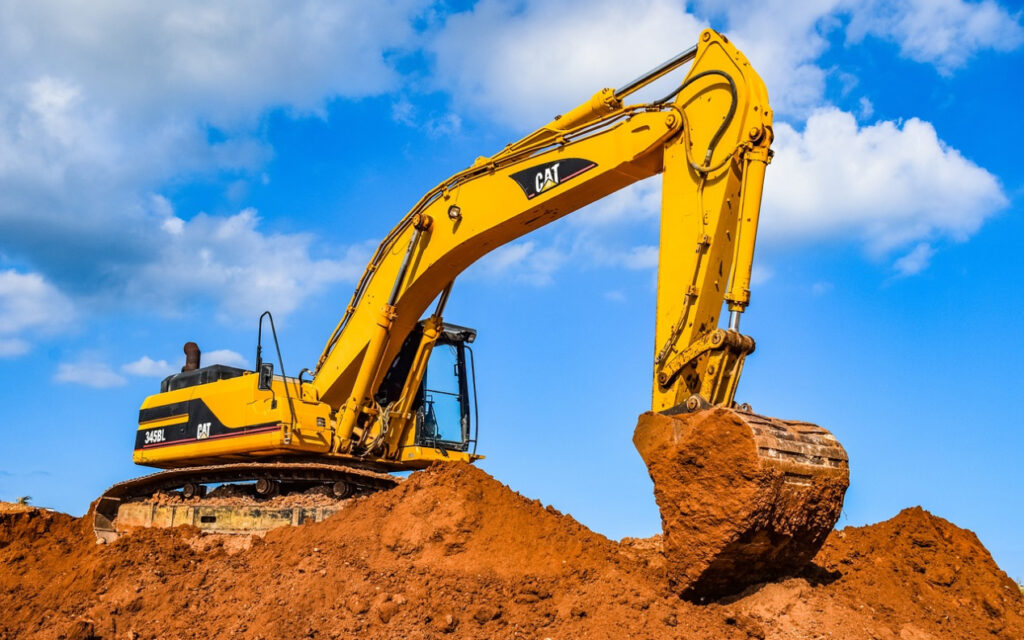
Site excavation is one of the most critical stages in construction and development projects. Whether you’re building a new home, installing a driveway, or laying the foundation for commercial structures, excavation sets the groundwork—literally. Done right, it ensures stability, proper drainage, and safety. This guide will walk you through everything you need to know about site excavation.
Site excavation is the process of removing earth, rock, or other materials from a location to prepare the land for construction. It involves digging, leveling, and shaping the land to ensure it meets the specifications of the planned structure. Depending on the project, it may also involve trenching, grading, and soil testing.
A solid foundation begins with proper excavation. This process ensures the site is safe and stable, reducing the risk of structural issues later on. Proper excavation also helps prevent water pooling, soil erosion, and drainage problems. Without it, you could face expensive delays or even failed inspections down the line.
The excavation process typically involves several key stages:
1. Site Surveying: A detailed site survey is conducted to map out boundaries, slopes, utilities, and soil conditions.
2. Clearing the Land: Vegetation, debris, and existing structures are removed to make way for digging.
3. Soil Testing: Soil is tested to assess its strength and stability, ensuring it's suitable for the intended construction.
4. Excavation and Trenching: Earth is dug out according to the project’s depth and design requirements.
5. Grading and Compaction: The surface is leveled and compacted to provide a firm foundation, often with machinery like bobcats or compactors.
Various machines are used during excavation, depending on the scope of the project. These include:
– Excavators: For heavy-duty digging and lifting.
– Bobcats: Ideal for smaller or more precise jobs.
– Tipper Trucks: To haul away soil, rock, and debris.
– Graders and Compactors: To level and stabilize the site.
Excavation can be dangerous if not properly managed. Trenches may collapse, underground utilities can be damaged, and heavy machinery poses risks. That’s why professional excavation contractors follow strict safety protocols, including site assessments, equipment checks, and using shoring methods in deeper trenches.
Hiring an experienced excavation contractor like 5G Earthmoving in Melbourne ensures your project starts off on the right foot. Professionals have the knowledge, equipment, and permits required to perform the job safely and efficiently. They understand soil types, drainage requirements, and structural planning, which significantly reduces your risk of costly mistakes.
Site excavation is much more than just digging dirt. It’s a technical process that requires planning, precision, and experience. By understanding its importance and working with professionals, you set your construction project up for success from the ground up. Whether it’s a residential, commercial, or industrial site, proper excavation is the first step toward a safe and lasting build.